 Fulfillment< @ >HQ Group

For many Shopify sellers and ecommerce brands, general goods represent one of the largest product categories in global online sales.
From fashion accessories and home products to toys, lifestyle items, and everyday consumer goods, these products usually have stable demand and broad market potential.
However, successfully selling general goods internationally requires more than simply finding products.
Sellers need a reliable fulfillment process that connects:
China sourcing → Warehouse management → Quality control → Global shipping → Customer delivery
A strong fulfillment system helps ecommerce brands reduce costs, improve delivery speed, and create a better customer experience.
In this guide, we will explain how general goods fulfillment works and what Shopify sellers should consider when choosing a global fulfillment partner.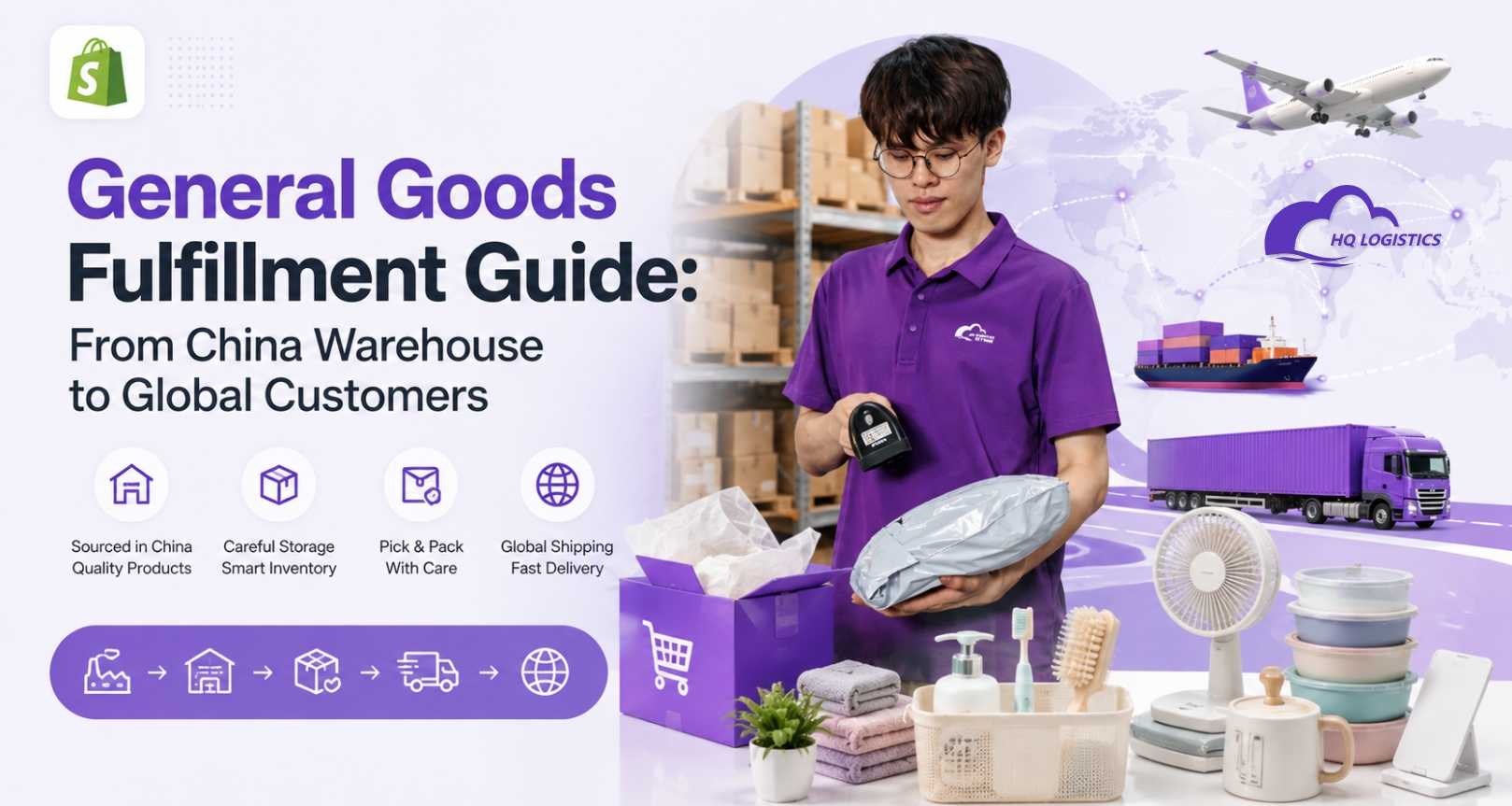
General goods usually refer to standard products that do not require special handling or restricted shipping solutions.
Common examples include:
Clothing | Hats | Scarves | Socks | Bags | Accessories
Home decorations | Kitchen accessories | Storage products | Daily-use items
Toys without batteries | Gifts | Stationery | Fitness accessories | Outdoor products
These products are often easier to manage compared with sensitive goods because they typically have fewer transportation restrictions.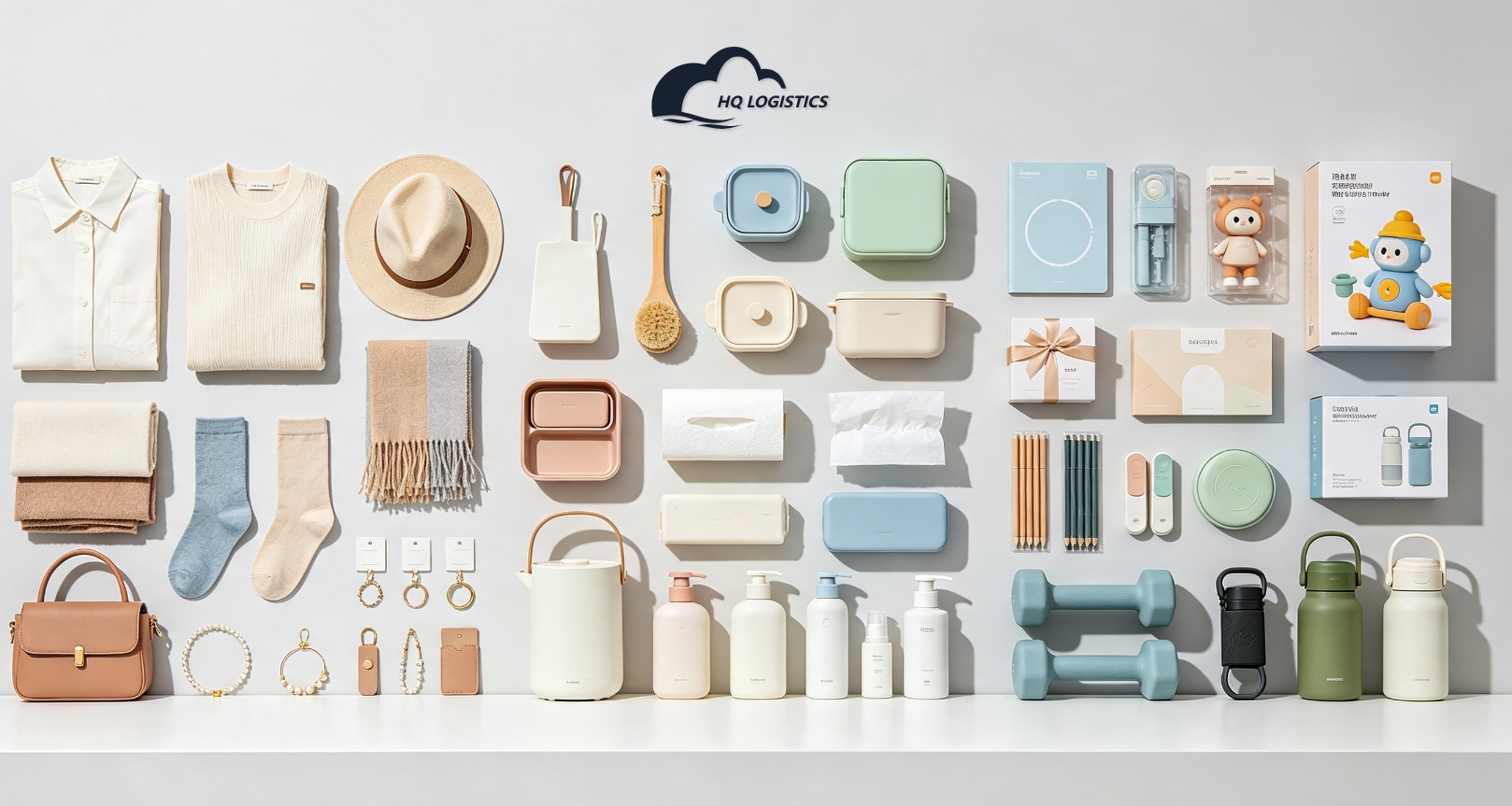
Many growing ecommerce brands start with dropshipping or small inventory models.
As orders increase, sellers often face challenges such as:
❌ Unstable shipping times | ❌ Limited inventory visibility | ❌ High fulfillment costs | ❌ Product quality issues | ❌ Difficult order management | ❌ Customer complaints caused by delays
A professional fulfillment system helps solve these problems by creating a more predictable operation.
A successful fulfillment process starts before products enter the warehouse.
A reliable fulfillment partner can help sellers with:
Supplier sourcing | Product purchasing | Supplier communication | Inventory planning | Product customization
For Shopify brands, this reduces the time spent managing multiple suppliers.
Instead of handling sourcing, storage, and shipping separately, sellers can manage everything through one supply chain system.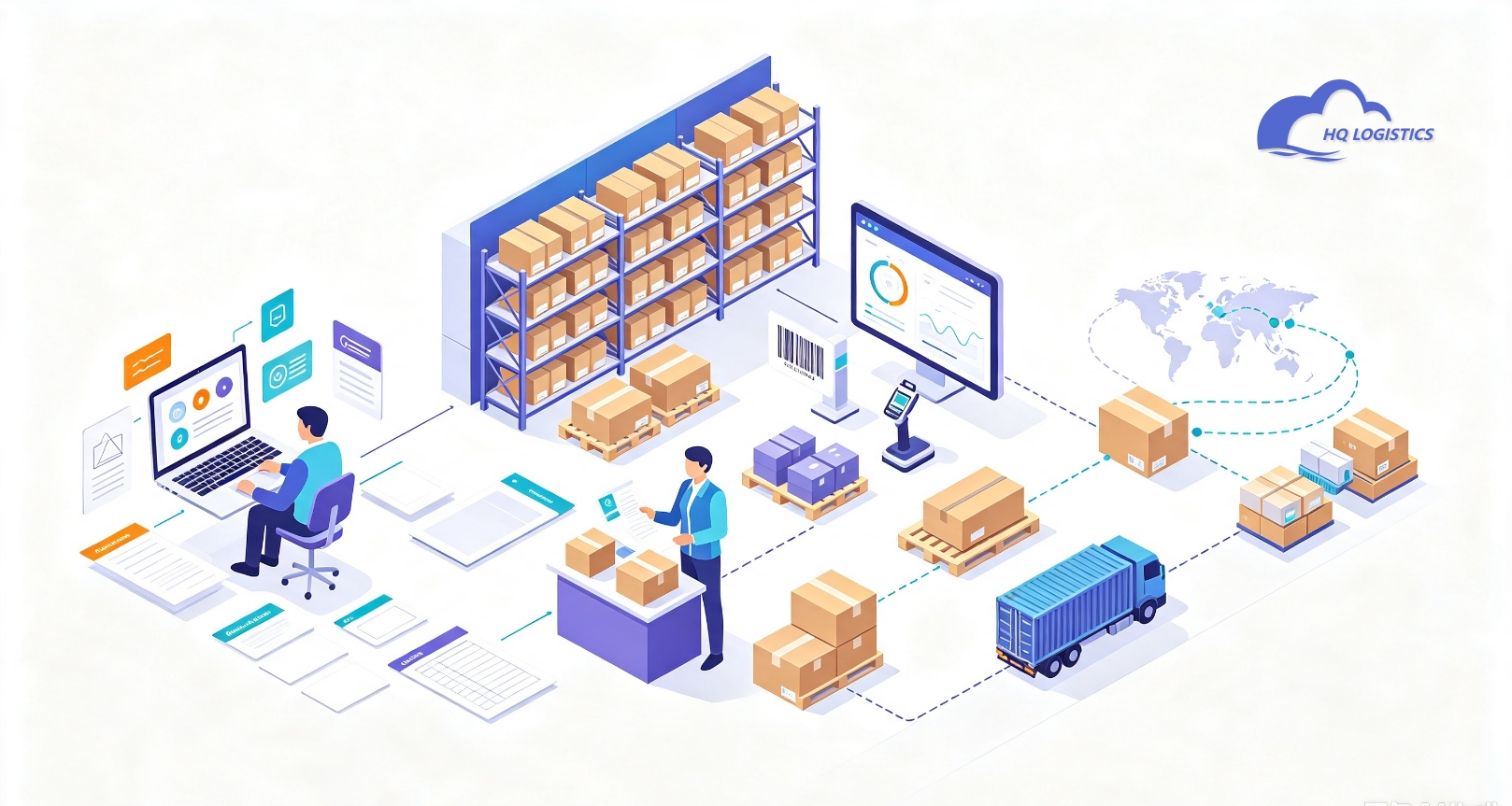
After products are purchased, inventory is sent to the fulfillment warehouse.
The receiving process usually includes:
Warehouse teams check: quantity received | SKU information | product specifications
Quality checks help identify: damaged products | incorrect items | packaging problems
Products are entered into the warehouse management system (WMS), allowing sellers to track: available inventory | incoming stock | order status
Product quality directly affects customer satisfaction.
Before sending orders to customers, fulfillment partners can perform:
Product inspection | Packaging checks | Quantity verification | Sample inspection
For ecommerce brands, quality control helps reduce: customer complaints | refund requests | negative reviews
Especially during peak seasons, preventing quality problems before shipment is critical.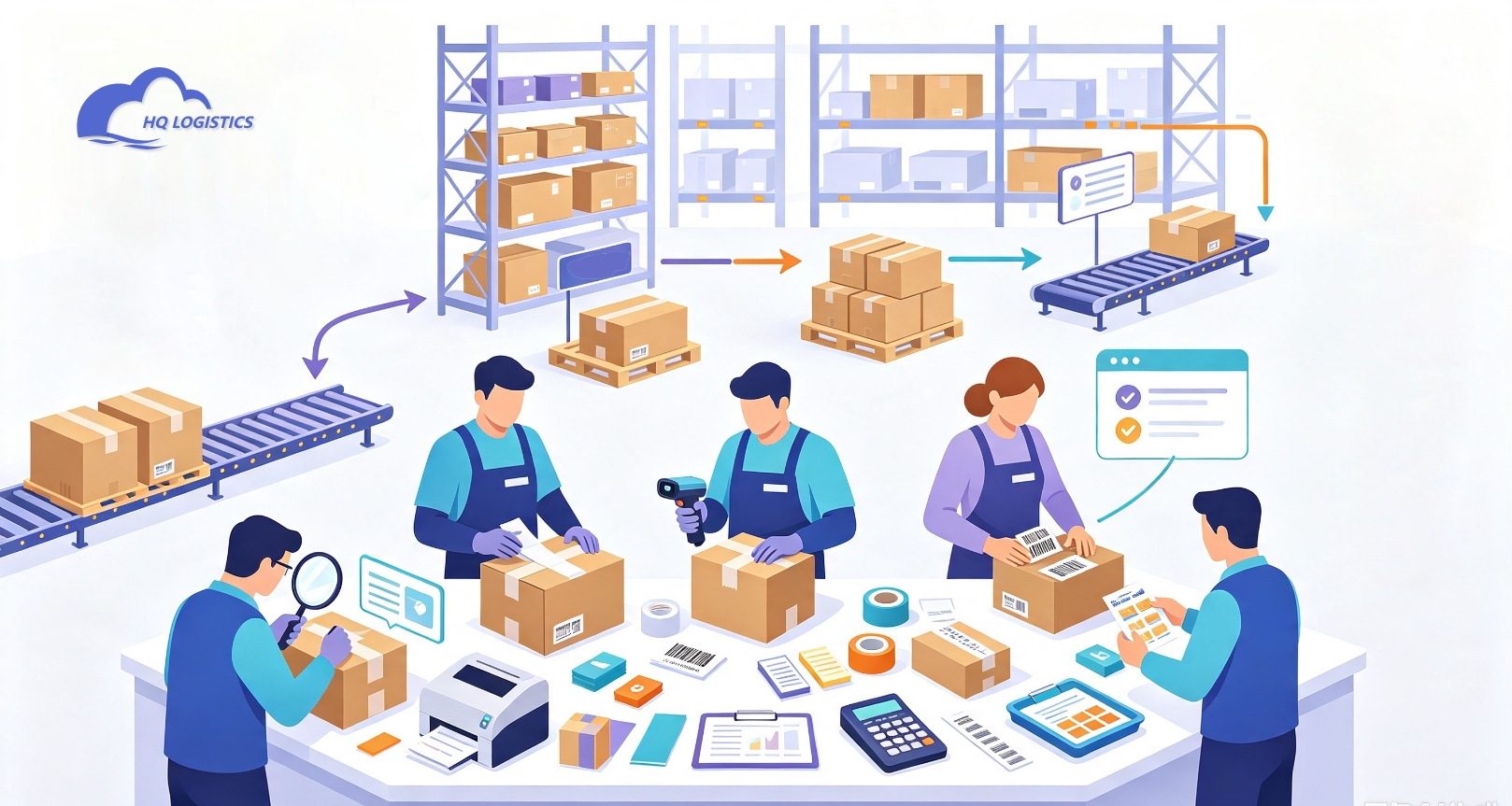
When customers place orders through Shopify or other platforms, the fulfillment system processes them automatically.
The typical workflow:
Customer Order → System Sync → Inventory Allocation → Picking → Packing → Shipping
Modern fulfillment systems can support:
Shopify integration | Automated order syncing | Real-time inventory updates | Tracking synchronization
This allows sellers to focus on marketing and business growth instead of manual order processing.
General goods can usually be shipped through multiple logistics options.
The best channel depends on:
Destination country | Product weight | Delivery expectations | Cost requirements
Common options include:
Advantages: faster delivery | suitable for urgent orders
Best for: small packages | high-value products
Advantages: balanced cost and speed
Best for: regular ecommerce orders | international fulfillment
Advantages: lower cost for large volumes
Best for: bulk inventory | overseas warehouse replenishment
Advantages: faster last-mile delivery
Best for: brands with stable sales volume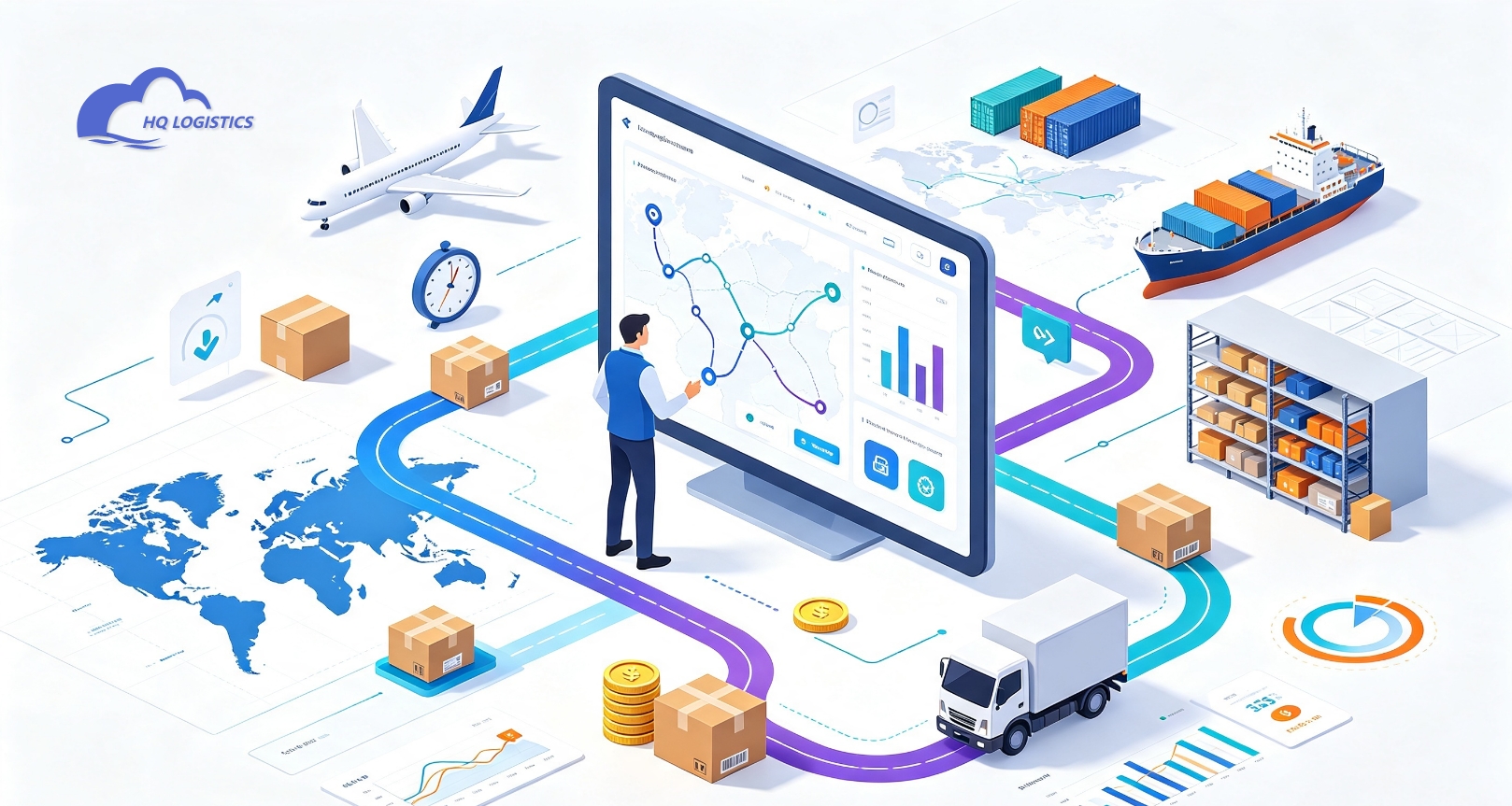
China remains one of the world's largest sourcing and manufacturing centers.
Using a China-based fulfillment warehouse provides benefits including:
Lower product costs | More product options | Flexible inventory management | Faster product testing
Without accurate inventory tracking, sellers may experience: overselling | stock shortages | delayed shipments
Solution: use real-time inventory management systems.
International shipping can be affected by: carrier capacity | customs procedures | seasonal demand
Solution: use multiple shipping channels and prepare inventory early.
Poor-quality products can damage brand reputation.
Solution: implement supplier verification and quality inspections.
A fulfillment process that works for 10 orders per day may fail at 500 orders per day.
Solution: choose a fulfillment partner with scalable warehouse operations.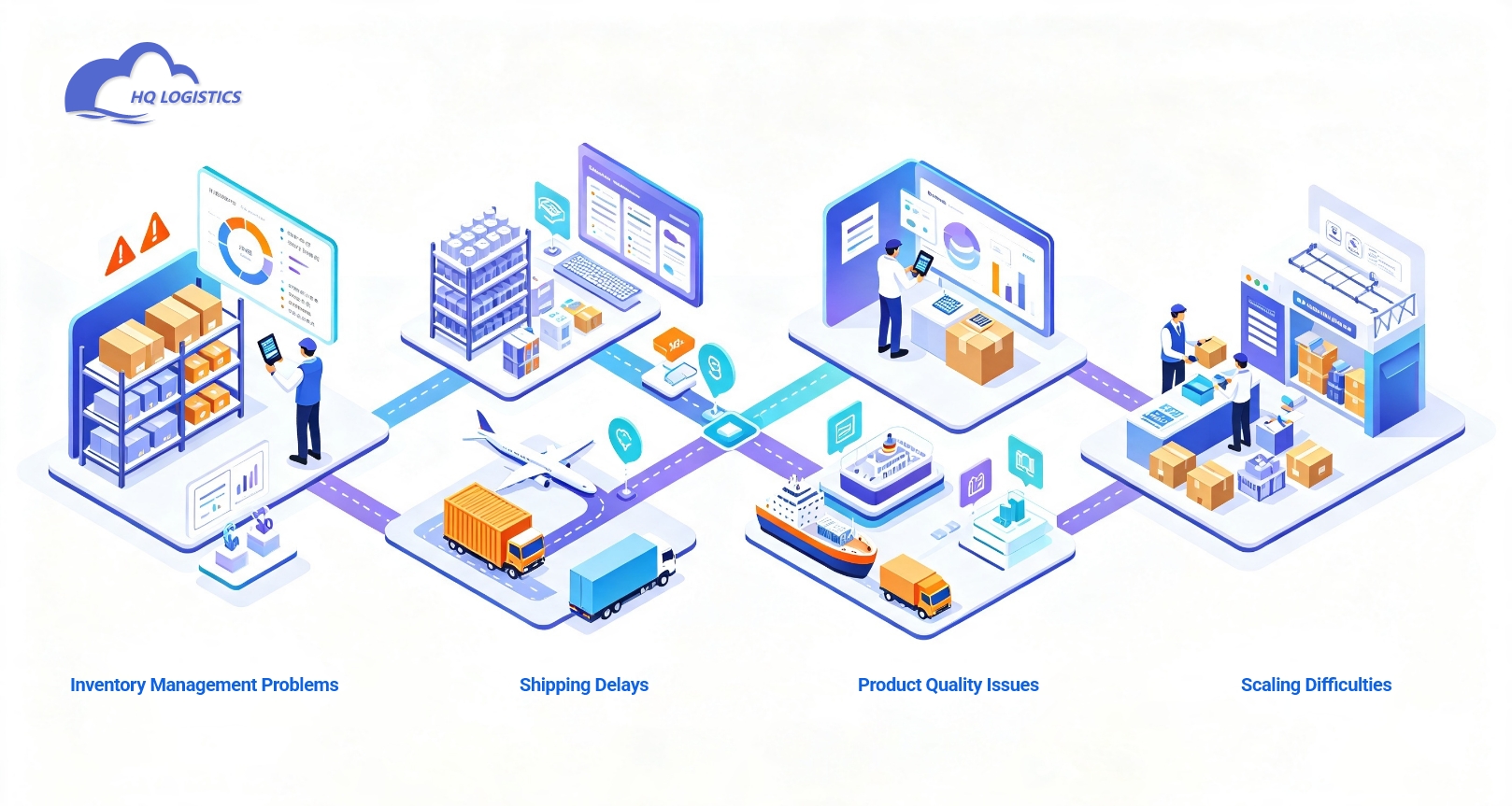
HQ LOGISTICS provides a complete fulfillment solution for ecommerce brands.
Direct supplier connections help brands access competitive product pricing.
We provide customized fulfillment plans based on: product category | destination market | order volume | shipping requirements
Stable suppliers help reduce inventory risks and improve supply consistency.
We compare different logistics routes based on: cost | speed | destination | product requirements
Before bulk inventory orders, sellers can inspect samples and perform quality checks before shipment.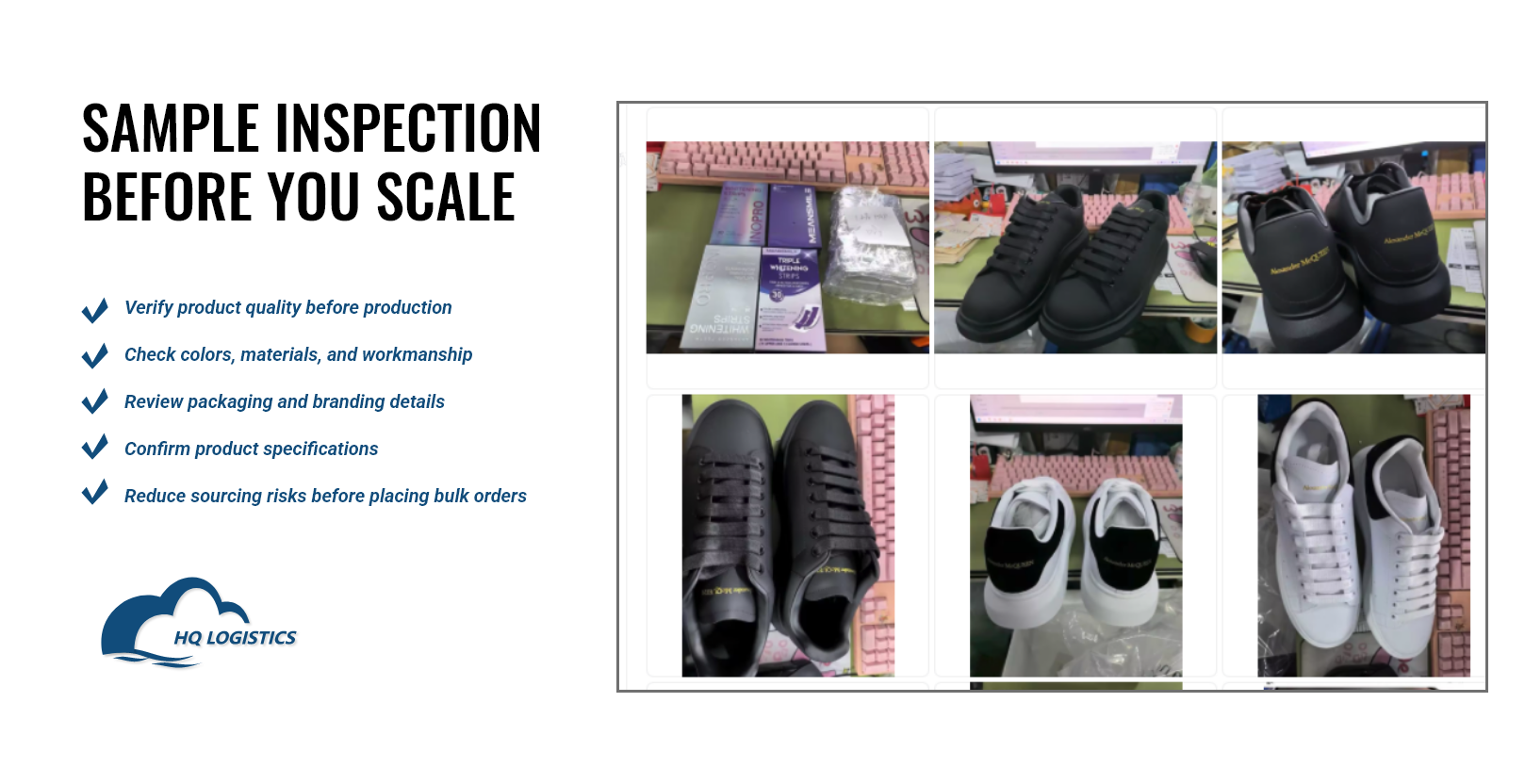
Track shipments from warehouse dispatch to customer delivery.
Clear quotations help sellers understand fulfillment costs without unexpected fees.
Growing brands receive personalized support for: orders | logistics planning | inventory management | customer issues
From sourcing and warehousing to fulfillment and global delivery, everything can be managed through one partner.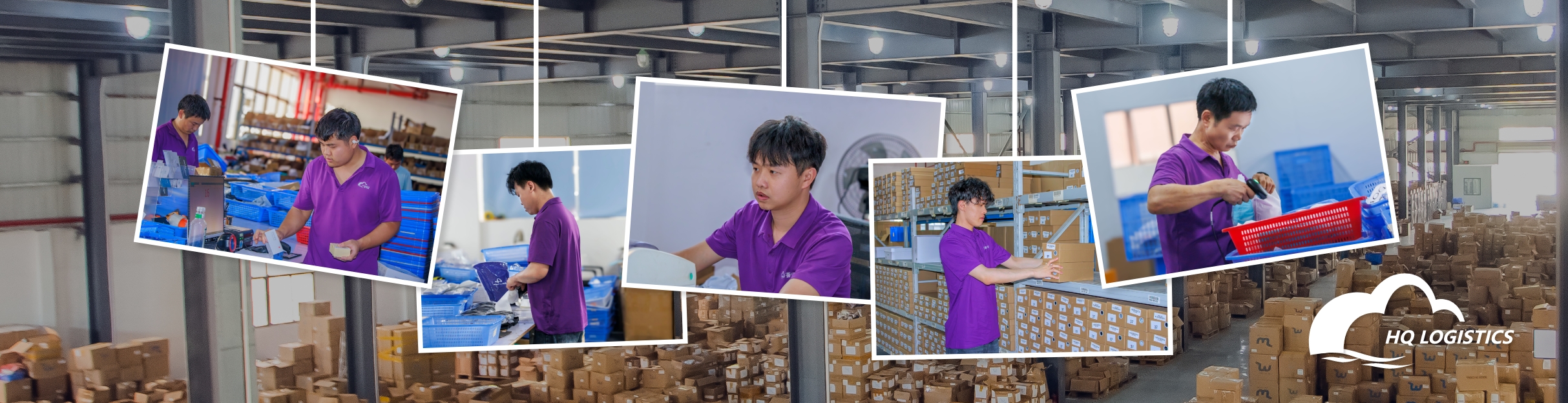
Before choosing a fulfillment partner, check:
Warehouse location | Inventory management system | Shopify integration | Quality inspection service | Shipping options | Processing speed | Tracking capability | Transparent pricing | Customer support
The right fulfillment partner can significantly improve operational efficiency.
General goods usually include clothing, accessories, home products, toys, gifts, and everyday consumer products that do not require special shipping handling.
Yes. Many ecommerce brands use China warehouses for sourcing, storage, and global fulfillment.
Professional fulfillment helps optimize inventory, shipping routes, warehouse operations, and order processing.
Many fulfillment providers offer sample inspection and product quality checks before shipment.
When order volume increases, managing inventory, shipping, and customer service independently becomes difficult.
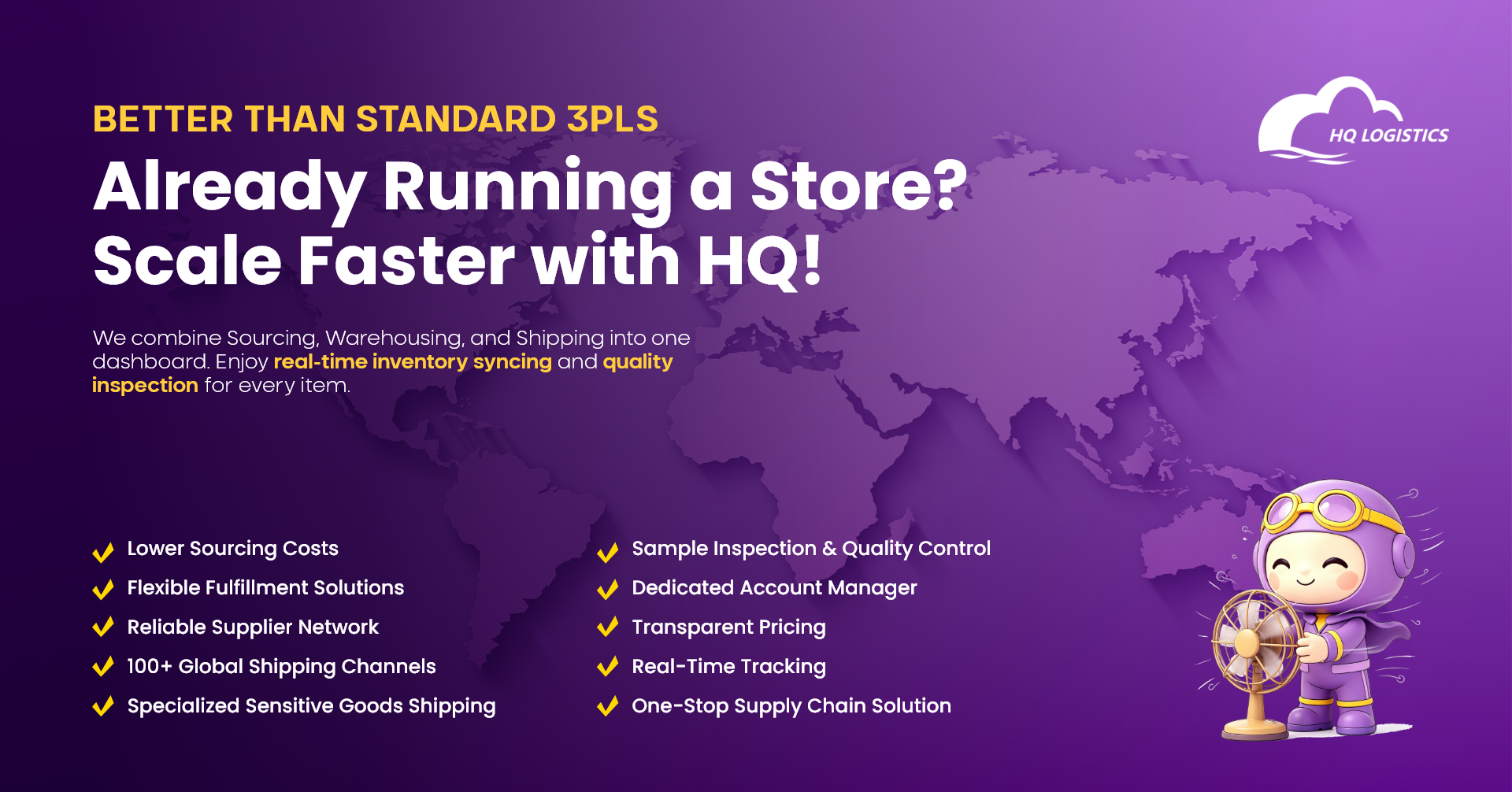
General goods fulfillment is the foundation of many successful global ecommerce businesses.
A reliable fulfillment system allows Shopify sellers to move beyond simple product selling and build scalable brands.
By combining:
China sourcing + Warehouse management + Quality control + Smart logistics + Global delivery
brands can reduce operational challenges and provide better customer experiences worldwide.
The right fulfillment partner does more than ship products.
They help ecommerce brands grow.
HQ LOGISTICS helps Shopify and ecommerce brands manage sourcing, warehousing, fulfillment, quality control, and international shipping.
Build a more reliable supply chain from China to customers worldwide.
📩 Email: zoye@fulfillment-cn.com
Previous Recommendations


general goods fulfillment / Shopify fulfillment service / China warehouse fulfillment / ecommerce 3PL / global fulfillment solution / dropshipping fulfillment / Shopify warehouse China / ecommerce supply chain / international order fulfillment / China sourcing and fulfillment



Don't wait until next year, grab the chance on 2025. Here are some recommended ecommerce topic you can choose.
Thanks to the support and trust from our customers. Flashback with our beloved partners.