 Fulfillment< @ >HQ Group

Sports events create massive ecommerce opportunities. From jerseys and fan gear to accessories and themed products, demand increases rapidly during peak seasons.
However, alongside higher sales comes a common challenge: increased return rates.
During major sports campaigns, many sellers experience returns due to sizing issues, product mismatches, or delayed deliveries. These returns can reduce profit margins and impact customer satisfaction.
In this article, we’ll explore how ecommerce sellers can effectively reduce return rates during sports merchandise sales while maintaining a strong customer experience.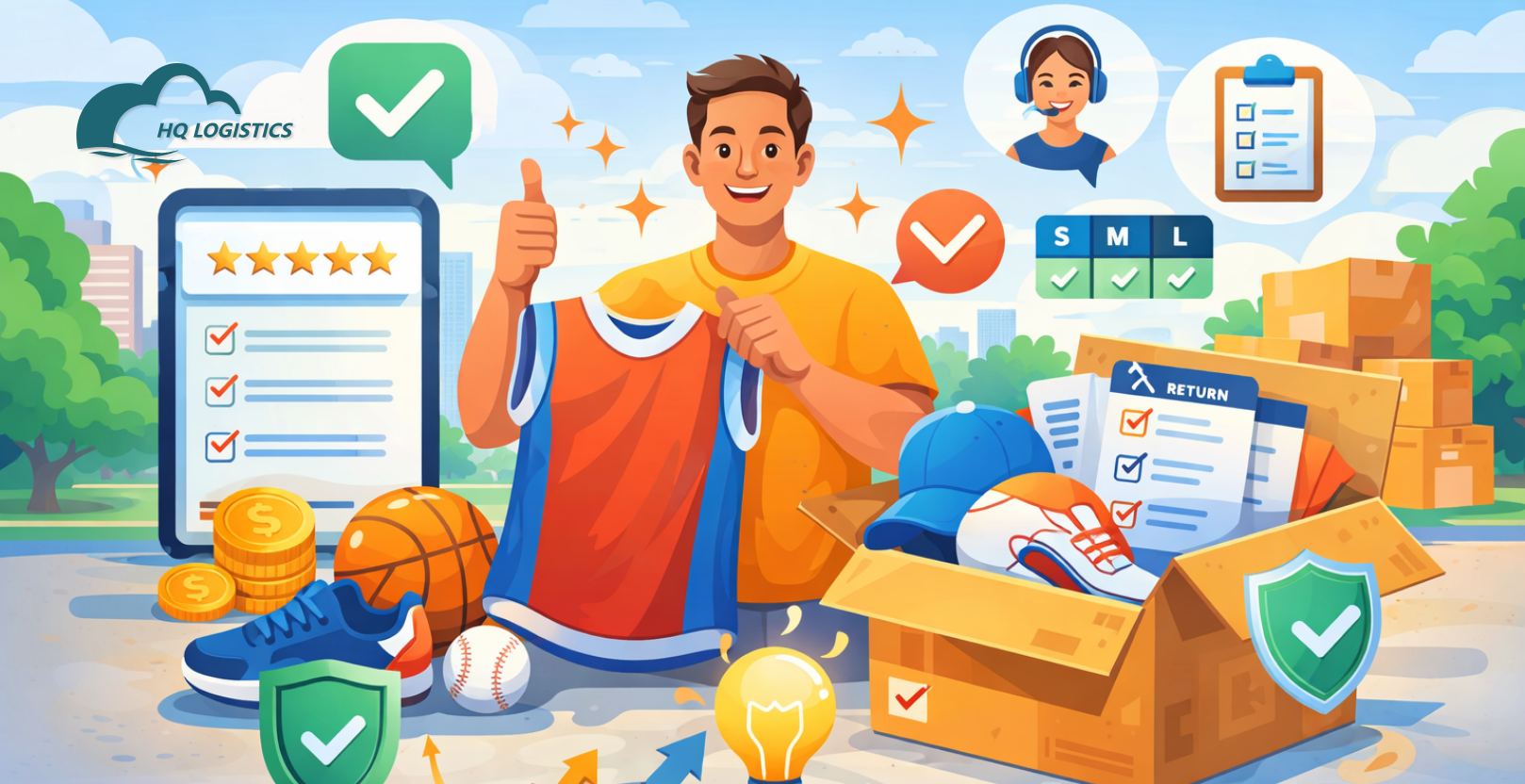
High-demand periods often lead to rushed purchasing decisions. Customers may buy quickly to receive products before a match or event.
Common reasons for returns include:
• Incorrect sizing or fit
• Product not matching images or expectations
• Quality issues
• Shipping delays
• Impulse purchases
Understanding these causes is the first step to reducing returns.
One of the most effective ways to reduce returns is to ensure customers know exactly what they are buying.
Sellers should focus on:
• Detailed product descriptions
• Accurate size charts (especially for jerseys and apparel)
• Material and fabric information
• Clear usage scenarios
The more transparent the product information, the lower the chance of customer dissatisfaction.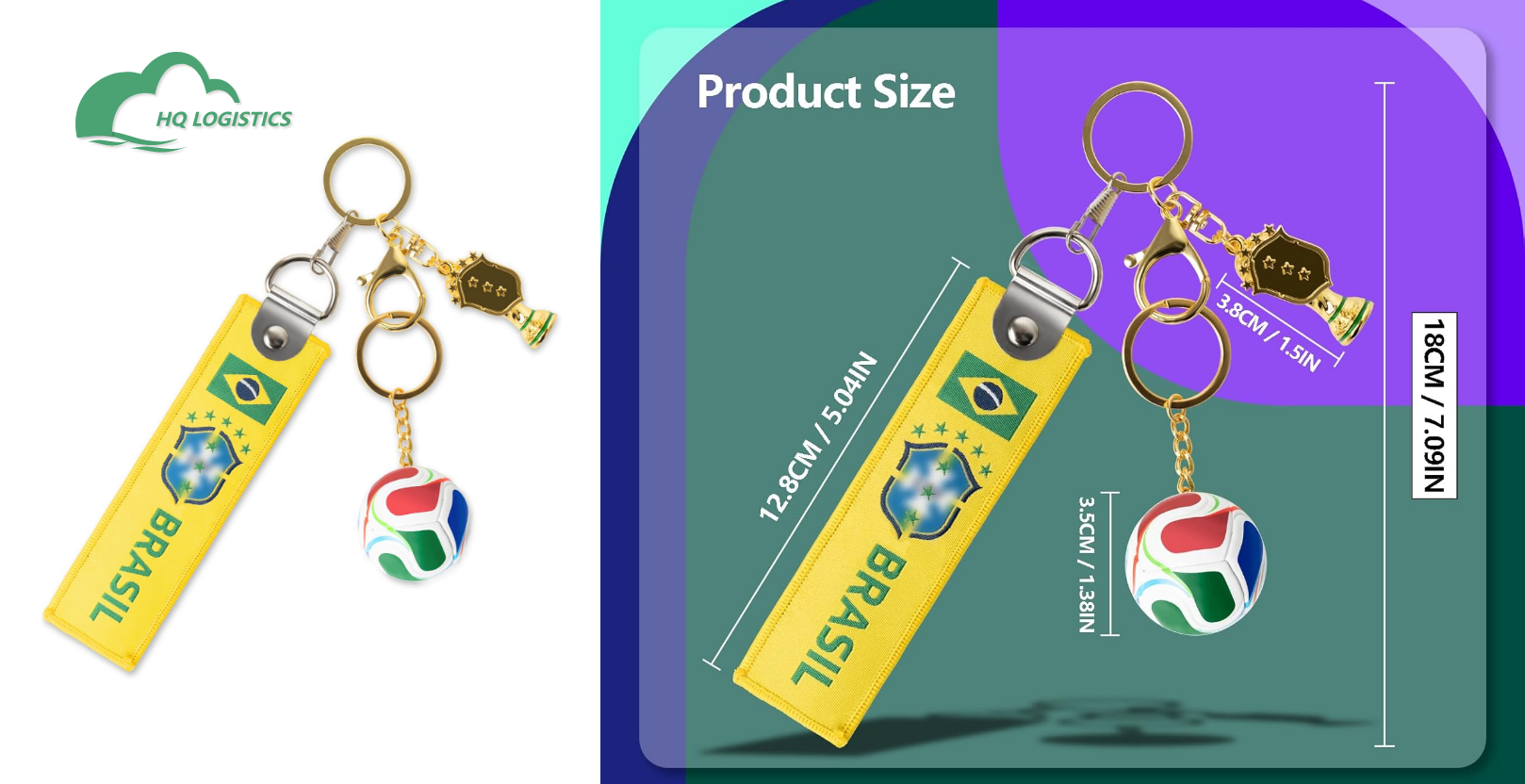
Many sellers rely on digital mockups, especially for print-on-demand sports merchandise. However, this can create a gap between expectation and reality.
To improve trust and reduce returns:
• Use real product photos whenever possible
• Show multiple angles and close-up details
• Include lifestyle images (e.g., people wearing the product)
Real visuals help customers make better purchasing decisions.
Quality issues are a major reason for product returns.
Before shipping, it’s important to ensure:
• Correct product variant (size, color, design)
• No visible defects
• Proper packaging
A reliable quality control (QC) process can significantly reduce return rates and improve customer satisfaction.
Late deliveries can lead to unnecessary returns, especially for time-sensitive sports merchandise.
To avoid this:
• Use fast and stable shipping lines
• Clearly communicate delivery timelines
• Provide real-time tracking updates
• Process orders quickly (within 24–48 hours)
Customers are less likely to return products that arrive on time and as expected.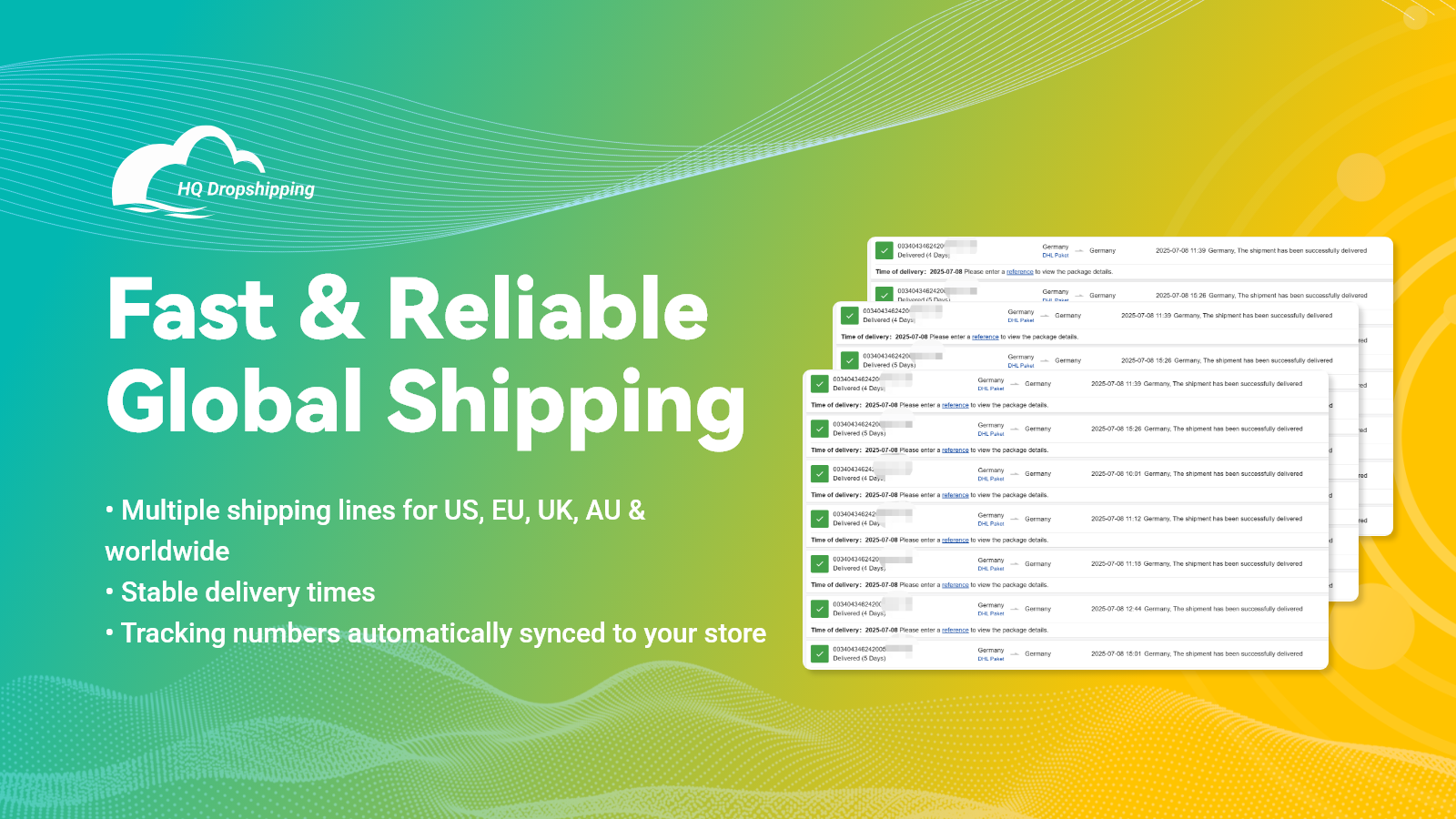
Transparent policies help manage customer expectations and reduce disputes.
Best practices include:
• Clearly stating return conditions
• Defining acceptable return reasons
• Offering exchanges instead of refunds when possible
When customers understand the rules, unnecessary returns decrease.
Proactive communication can prevent many return requests.
Sellers can:
• Send order confirmation and tracking updates
• Provide shipping notifications
• Offer quick customer support responses
Good communication builds trust and reduces uncertainty.
Ultimately, reducing returns is about delivering a better overall experience.
This includes:
• Accurate product representation
• Reliable fulfillment
• Fast delivery
• Responsive support
When customers receive exactly what they expect, they are far less likely to request returns.
Why are return rates higher during sports merchandise sales?
Because of high demand, rushed purchases, and time-sensitive deliveries, customers are more likely to return products if expectations are not met.
How can sizing issues be reduced?
Providing accurate size charts, measurements, and fit recommendations can significantly reduce sizing-related returns.
Do real product photos help reduce returns?
Yes. Real images give customers a more accurate understanding of the product, reducing mismatched expectations.
Can faster shipping reduce return rates?
Yes. Timely delivery ensures customers receive products when they need them, especially during sports events.
Is quality control important for reducing returns?
Absolutely. Checking products before shipping helps prevent defects and incorrect orders.
Sports merchandise sales offer huge revenue potential, but high return rates can quickly impact profitability.
By focusing on product accuracy, quality control, fast fulfillment, and clear communication, ecommerce sellers can significantly reduce returns and improve customer satisfaction.
A well-optimized fulfillment process doesn’t just increase efficiency—it builds trust, strengthens your brand, and drives long-term growth. 🚀
📩 Email: zoye@fulfillment-cn.com
Previous Recommendations






Don't wait until next year, grab the chance on 2025. Here are some recommended ecommerce topic you can choose.

Thanks to the support and trust from our customers. Flashback with our beloved partners.