 Fulfillment< @ >HQ Group

Event-driven ecommerce has become a powerful strategy for online sellers. Major events such as the FIFA World Cup, holiday shopping seasons, and large global festivals can create sudden spikes in online demand.
During these periods, consumers actively search for themed products, gifts, and trending items. While this surge presents huge opportunities for ecommerce businesses, it also places significant pressure on fulfillment operations.
Without proper preparation, order delays, stock shortages, and shipping issues can quickly damage customer satisfaction. That’s why having a strong fulfillment strategy is essential for success in event-driven ecommerce.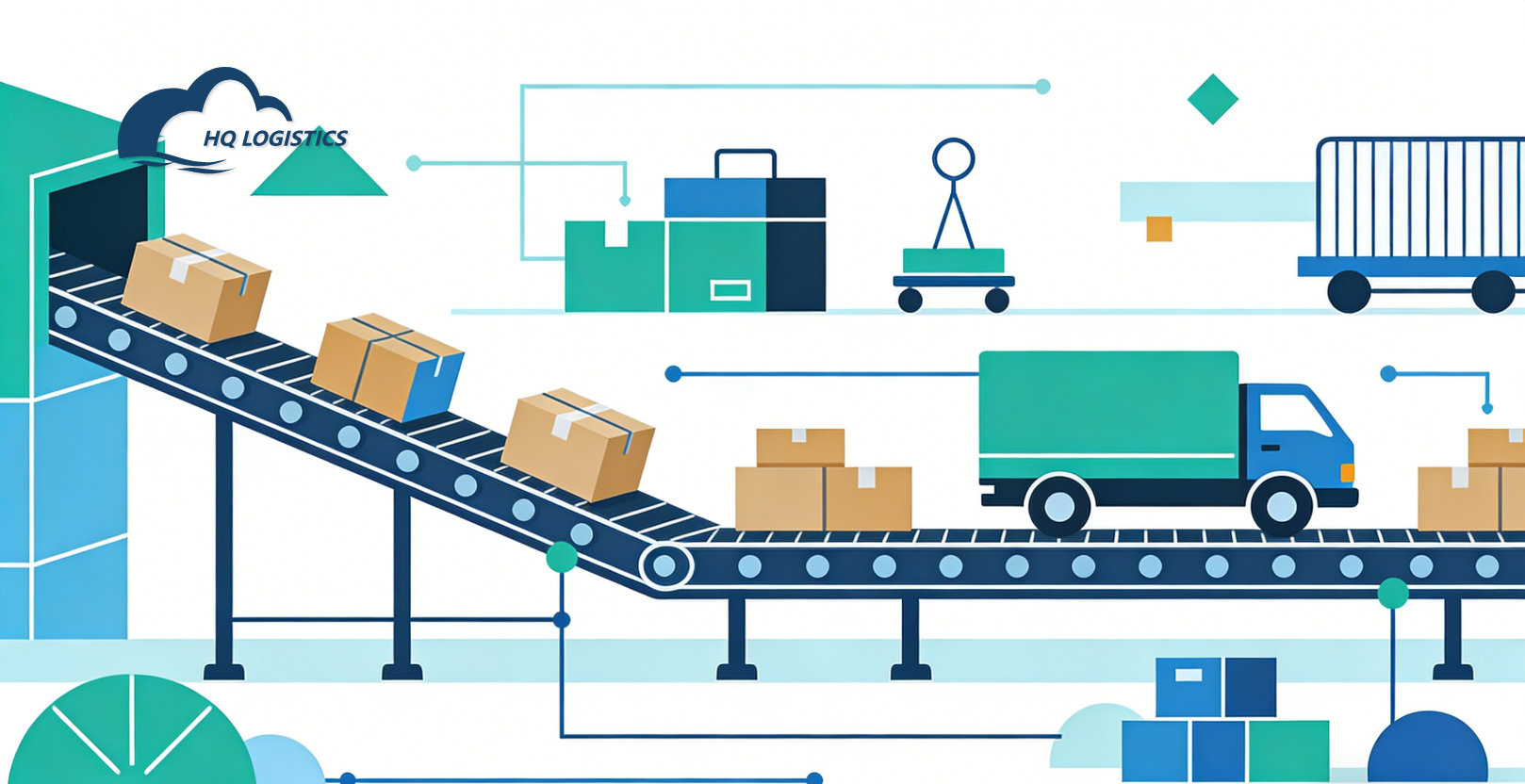
Event-driven ecommerce focuses on selling products tied to specific moments or trends. These moments can be predictable events like the FIFA World Cup or seasonal holidays such as Black Friday and Christmas.
Unlike regular ecommerce operations, demand during these events often grows very quickly. A store that normally processes dozens of orders per day may suddenly receive hundreds.
This rapid growth makes fulfillment speed and reliability more important than ever.
When traffic increases, customers expect the same level of service they receive during normal periods.
If fulfillment systems cannot handle the increased volume, several problems may occur:
Orders may be delayed or processed incorrectly
Shipping times may become longer than expected
Customer service inquiries may increase
Refunds and disputes may rise
For event-driven ecommerce, the fulfillment process must be prepared to scale quickly without sacrificing efficiency.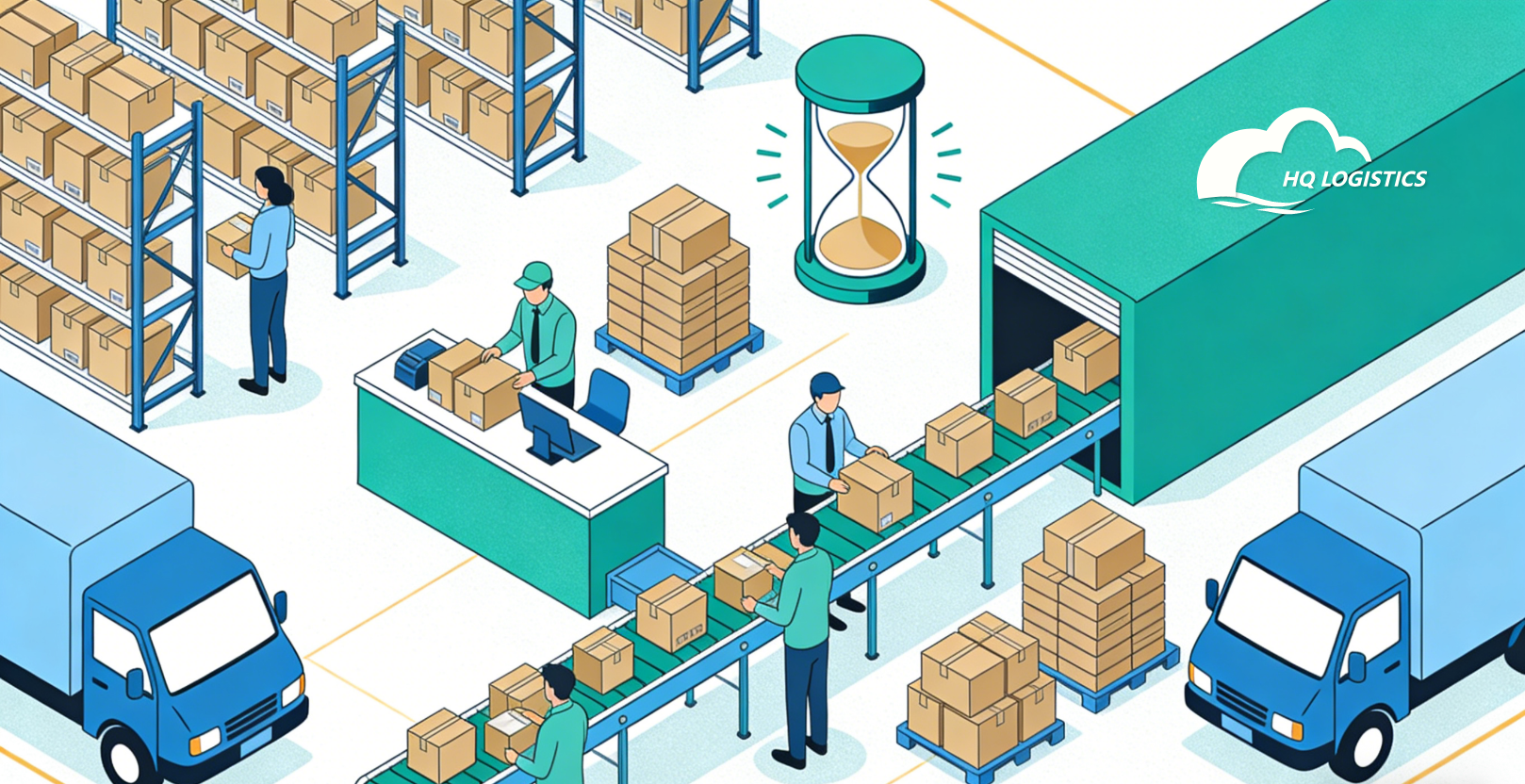
One of the most common mistakes in event-based selling is underestimating demand.
Successful ecommerce sellers analyze previous trends and prepare inventory ahead of time. This is especially important for large global events like the FIFA World Cup, where millions of fans may purchase similar products at the same time.
Working closely with suppliers and forecasting demand helps prevent stock shortages during peak traffic.
Manual order management can slow down fulfillment when order volumes increase.
Automation tools allow ecommerce stores to synchronize orders directly with fulfillment systems. This enables:
Instant order syncing
Faster picking and packing
Automatic tracking updates
Automation reduces errors and ensures that warehouses can process large volumes efficiently.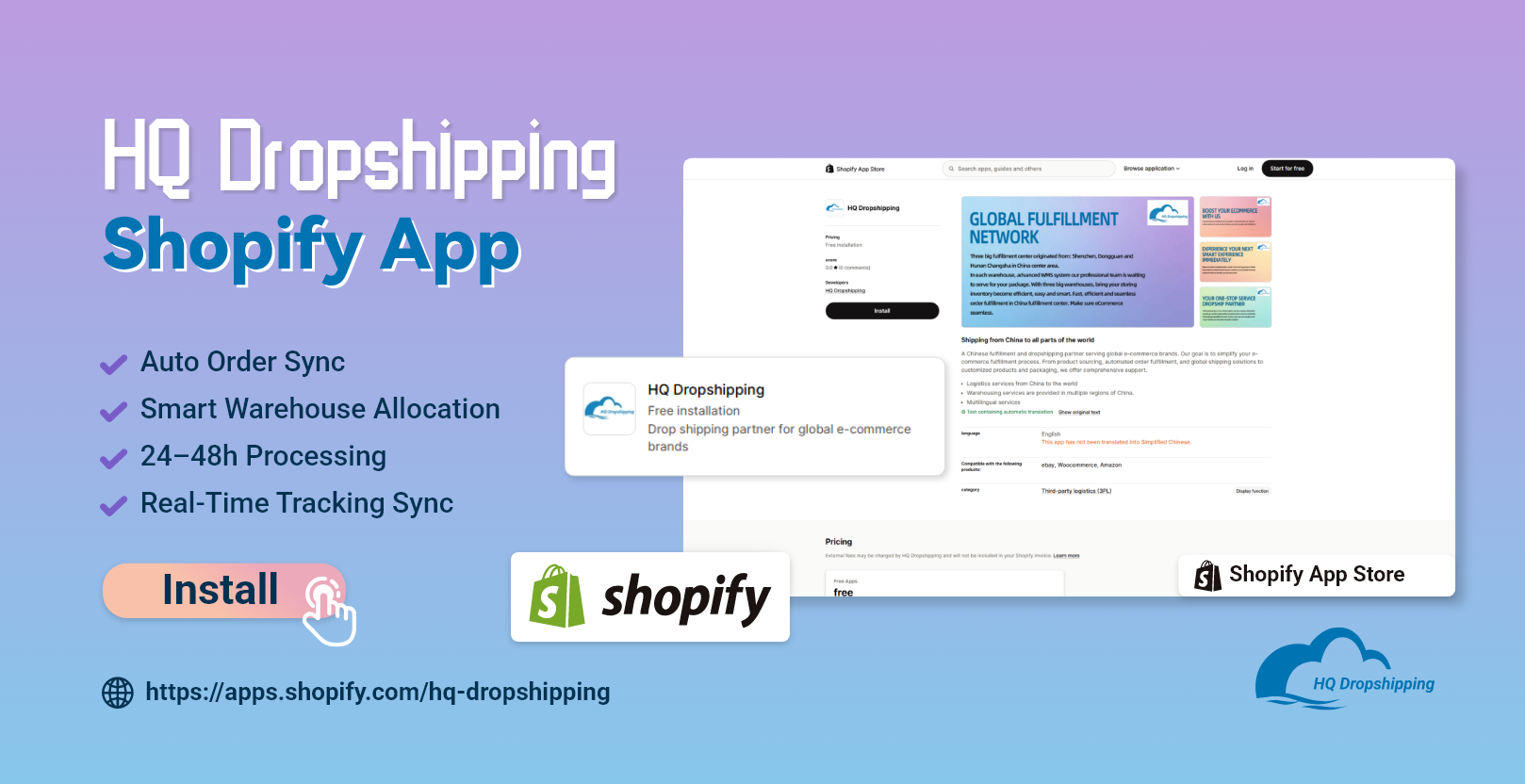
A strong logistics partner can make a major difference during event-driven sales periods.
Professional fulfillment centers are designed to handle sudden order spikes. They often provide services such as:
Fast order processing within 24–48 hours
Dedicated shipping routes to major markets
Inventory storage and management
Real-time tracking synchronization
For many ecommerce brands, outsourcing fulfillment allows them to focus on marketing and customer acquisition while logistics experts manage operations.
Shipping speed becomes even more important during major events.
Customers buying themed products—such as sports merchandise for the FIFA World Cup—often want their items before a specific date or match.
To meet these expectations, sellers should choose reliable shipping solutions that provide stable delivery times and clear tracking information.
Faster shipping improves customer satisfaction and reduces cancellation rates.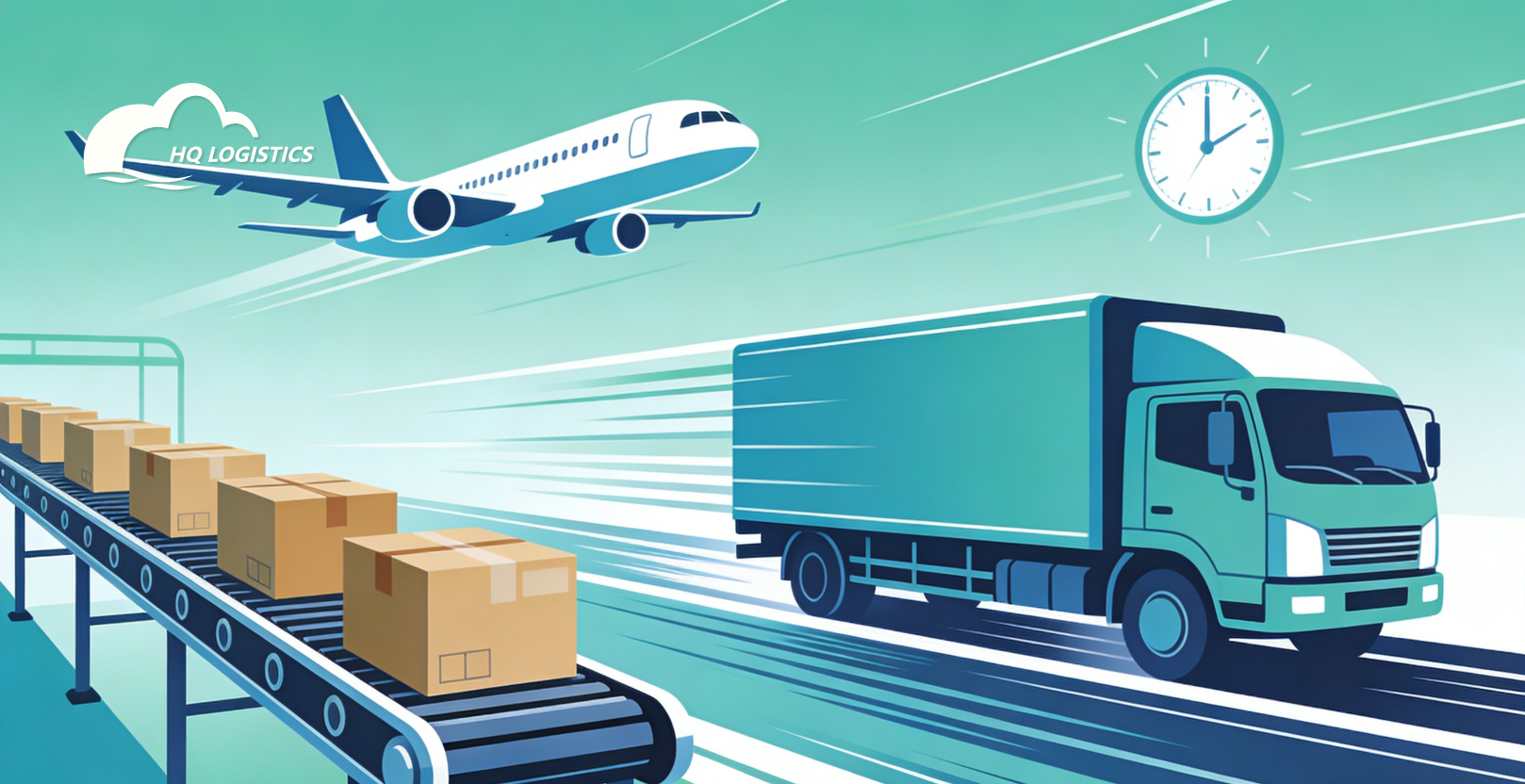
Even the best logistics systems may face challenges during peak periods. Transparent communication helps manage customer expectations.
Providing estimated delivery times and real-time tracking updates helps customers stay informed about their orders.
Clear communication can significantly reduce support requests and improve the overall shopping experience.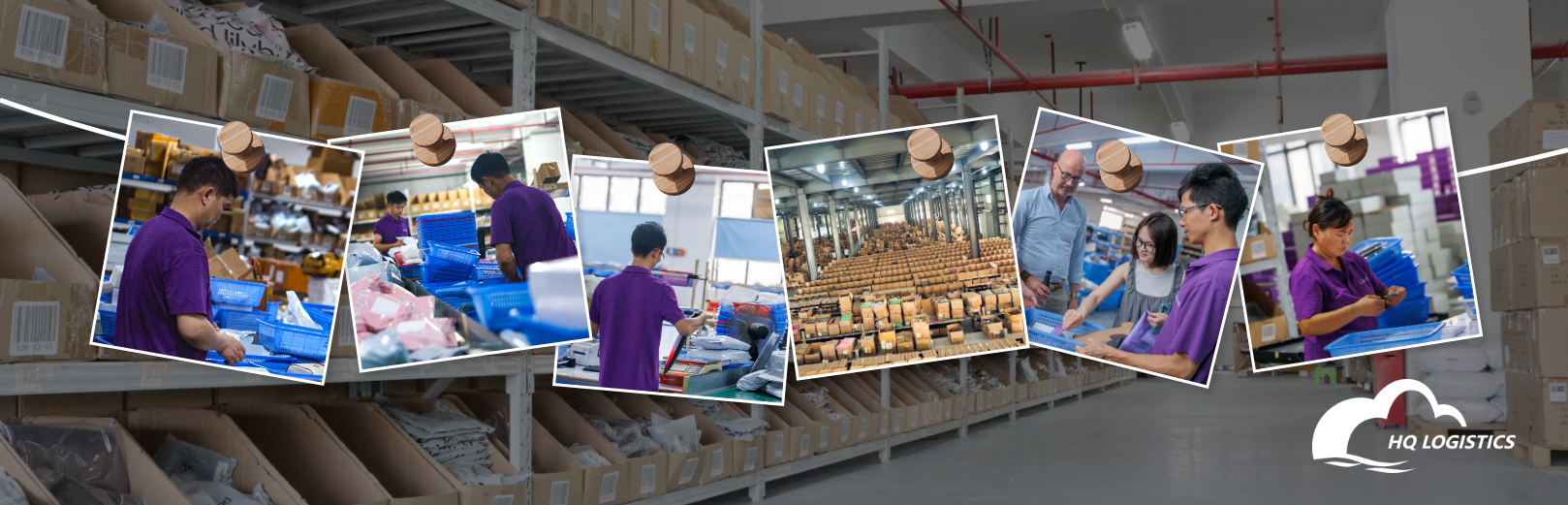
FAQ
What is event-driven ecommerce?
Event-driven ecommerce refers to selling products related to specific events, trends, or seasonal occasions such as the FIFA World Cup or Black Friday.
Why is fulfillment important for event-based sales?
Because demand can surge suddenly, a strong fulfillment system ensures orders are processed quickly and shipped on time, helping maintain customer satisfaction.
How can sellers prepare for demand spikes?
Sellers can prepare by forecasting demand, securing suppliers early, automating order processing, and working with reliable fulfillment partners.
What shipping speed do customers expect during major events?
Most customers expect orders to be processed within 24–48 hours and delivered within one to two weeks, depending on the destination.
Can small ecommerce stores handle event-driven demand?
Yes. With the help of automated systems and professional fulfillment services, even small stores can scale quickly during peak events.
Event-driven ecommerce can generate significant revenue for online sellers. However, success depends on more than just strong marketing campaigns.
A reliable fulfillment strategy ensures that orders are processed quickly, shipped efficiently, and delivered on time.
By preparing inventory early, automating order management, partnering with trusted fulfillment providers, and prioritizing fast shipping, ecommerce businesses can fully capitalize on demand during major events like the FIFA World Cup.
In today’s competitive ecommerce landscape, efficient fulfillment is the key to turning event-driven traffic into long-term customer loyalty. 🚀
📩 Email: zoye@fulfillment-cn.com
Previous Recommendations
 Fast Shipping Expectations During the World Cup Season



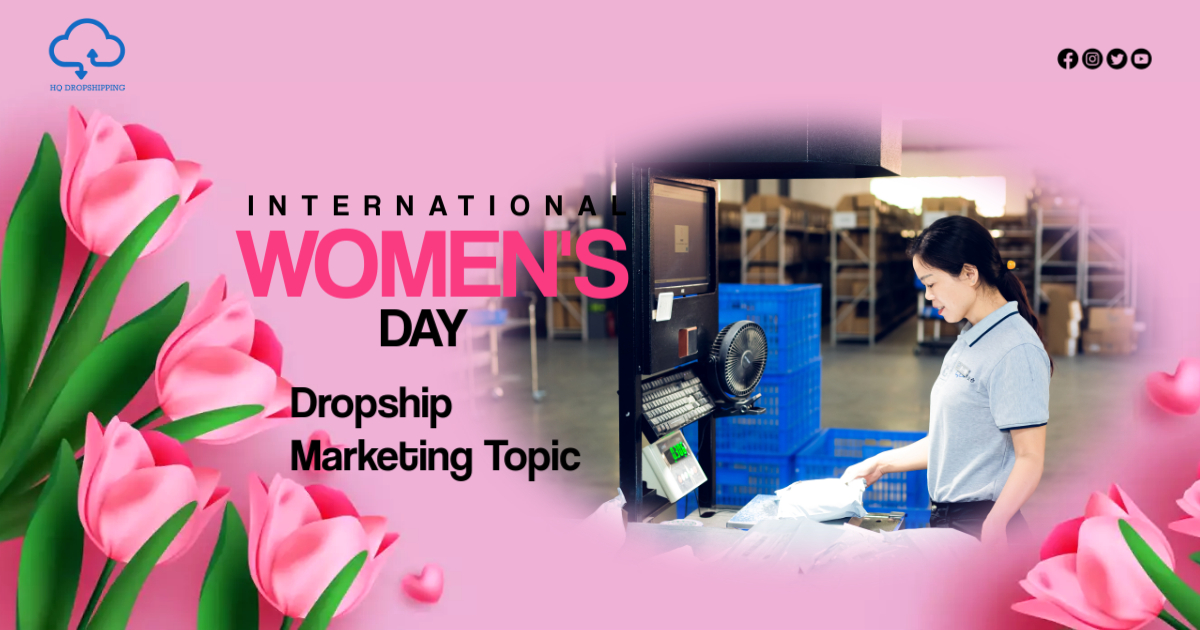
Don't wait until next year, grab the chance on 2025. Here are some recommended ecommerce topic you can choose.
Thanks to the support and trust from our customers. Flashback with our beloved partners.