 Fulfillment< @ >HQ Group

As ecommerce competition intensifies in 2026, choosing the right fulfillment model is no longer just an operational decision — it's a growth strategy.
Should you manage your own warehouse fulfillment, or partner with a 3PL fulfillment center?
This guide breaks down the differences, costs, scalability, and which model fits your stage of business.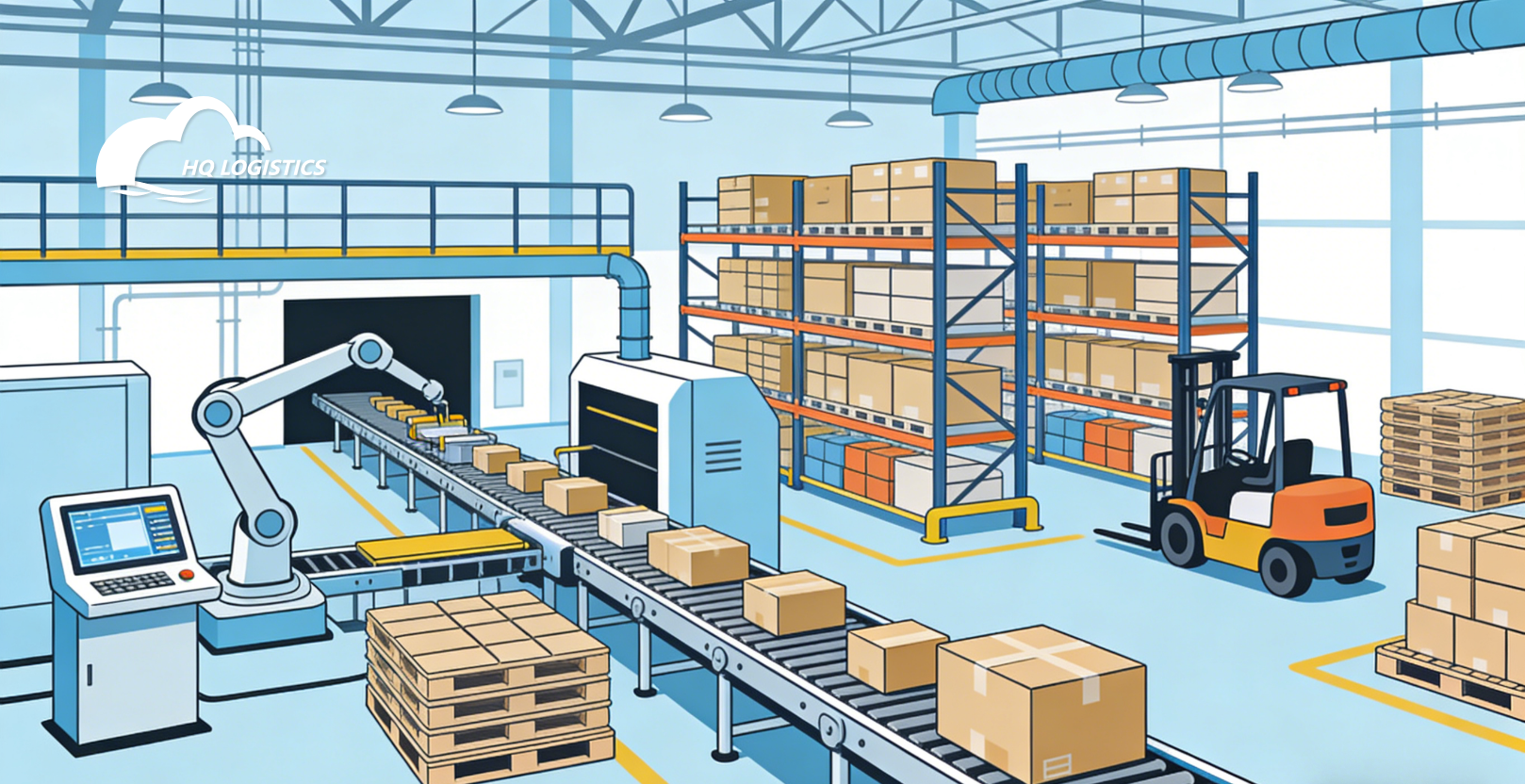
Warehouse fulfillment (in-house fulfillment) means your company owns or leases warehouse space and manages:
Inventory storage | Staff hiring & training | Picking and packing | Carrier negotiation | Returns processing | Fulfillment software
You control every step of the process.
Full operational control | Custom workflows | Direct inventory visibility | Potential long-term cost savings at very high volume
High upfront investment (rent, equipment, systems) | Fixed monthly costs regardless of order volume | Labor management challenges | Difficult and slow to scale internationally
This model is usually suitable for large, stable brands with predictable order flow.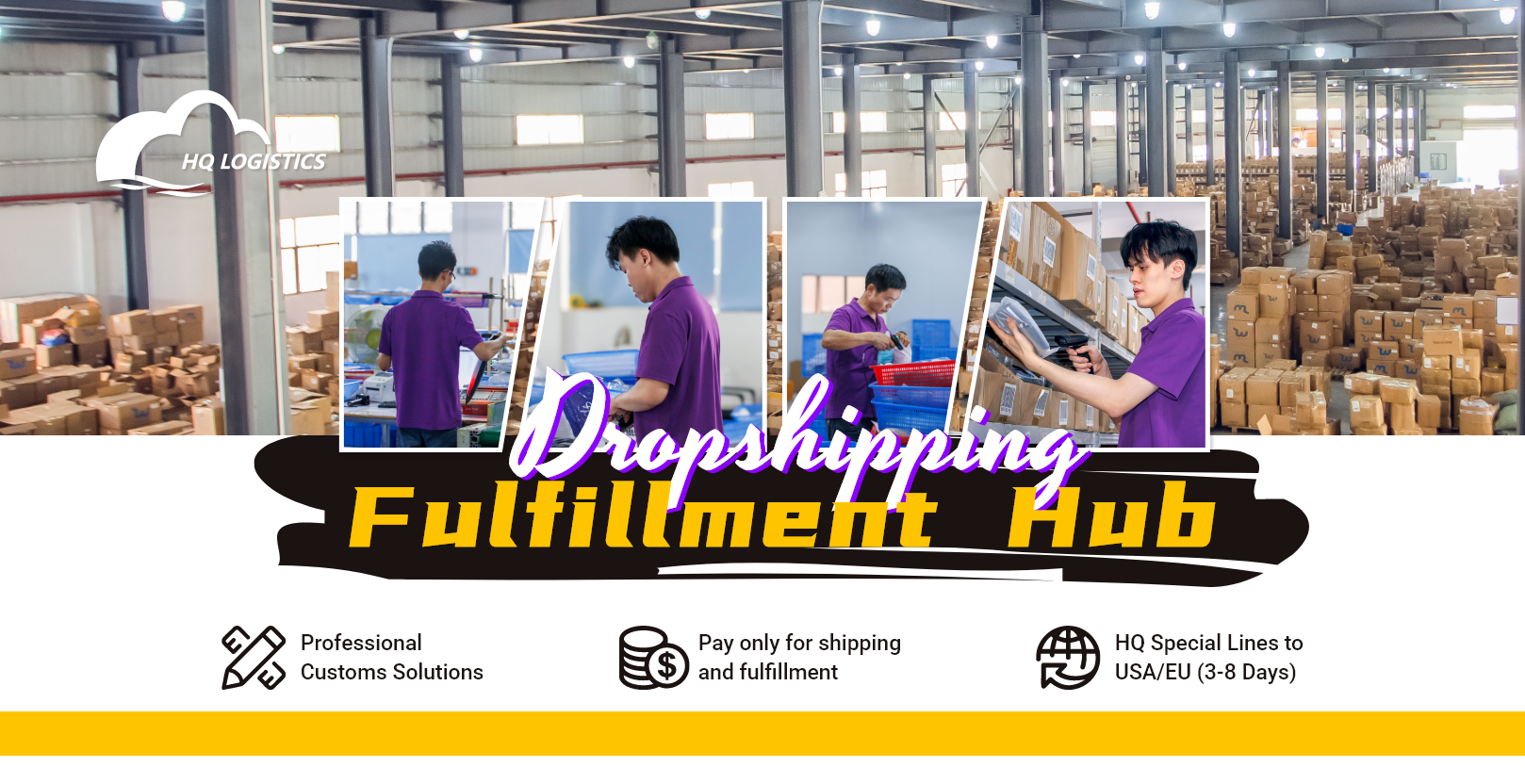
A 3PL (third-party logistics) fulfillment center is a logistics partner that stores, packs, and ships products on your behalf.
They typically provide:
Warehousing | Order fulfillment | Shipping rate optimization | Ecommerce integrations (Shopify, Amazon, etc.) | Returns management | Cross-border shipping solutions
You pay per order or per service used.
Low upfront cost | Flexible pay-as-you-go pricing | Faster scaling | Multi-country fulfillment capability | Professional logistics expertise
Less direct operational control | Service quality varies by provider | Storage and service fees can add up
This model is ideal for growing DTC brands, Shopify sellers, and cross-border ecommerce businesses.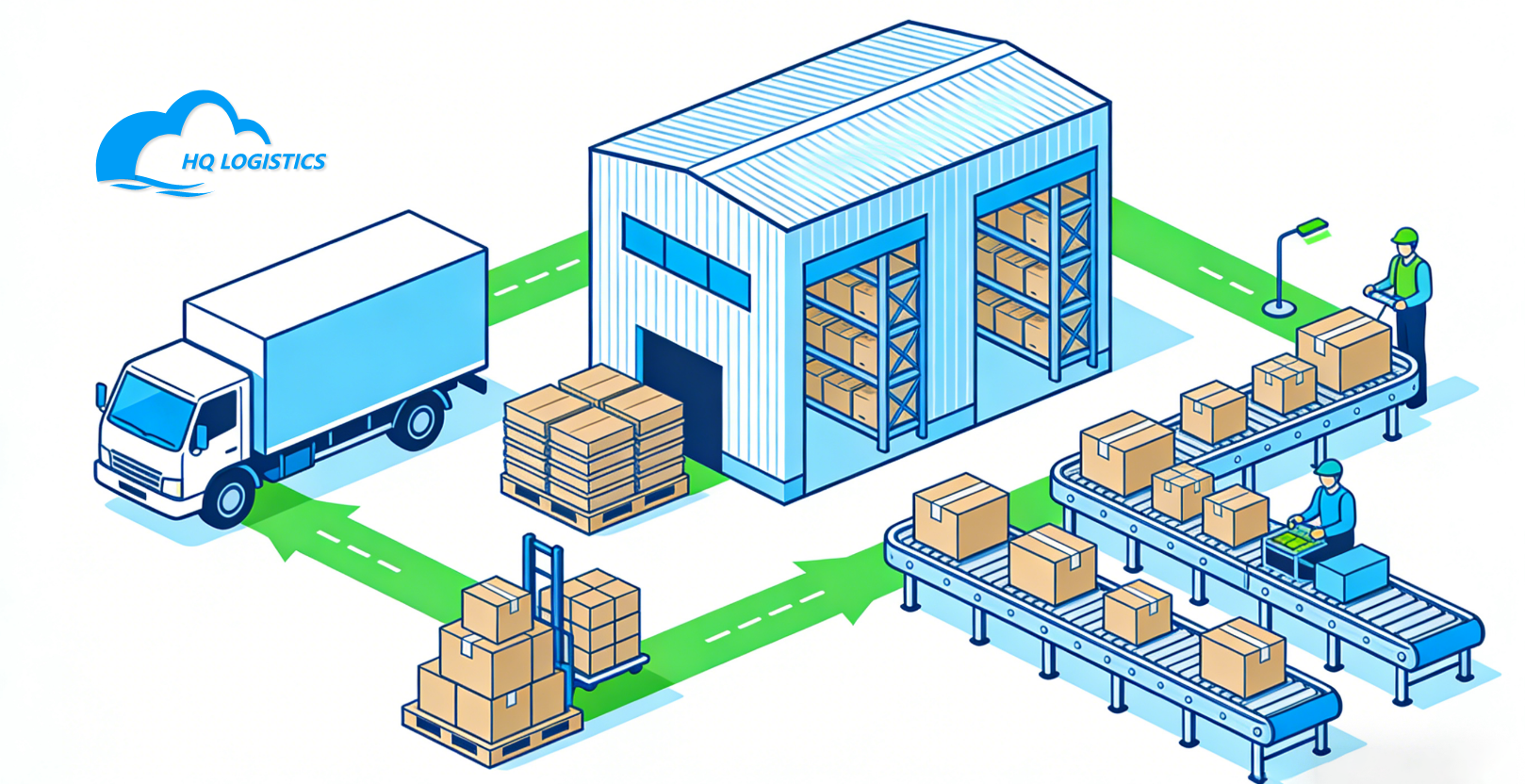
When comparing warehouse fulfillment vs 3PL, look beyond basic storage cost.
Rent or mortgage | Warehouse staff salaries | Equipment (shelves, forklifts, packing stations) | Warehouse management system (WMS) | Insurance & utilities | Shipping contract negotiations
Costs are mostly fixed.
Storage fees (per cubic meter or pallet) | Pick & pack fees | Shipping fees | Value-added services (kitting, custom packaging)
Costs are variable and scale with volume.
For brands with fluctuating demand or seasonal peaks, variable cost structures often reduce risk.
Customer expectations in 2026: Faster delivery | Real-time tracking | Affordable shipping | Smooth returns
Scaling in-house requires: More space | More staff | More capital
Scaling with a 3PL often means: Activating additional warehouse locations | Expanding into new markets quickly | Handling peak season without hiring temporary staff
For cross-border sellers, a 3PL with global shipping capabilities can significantly shorten delivery times.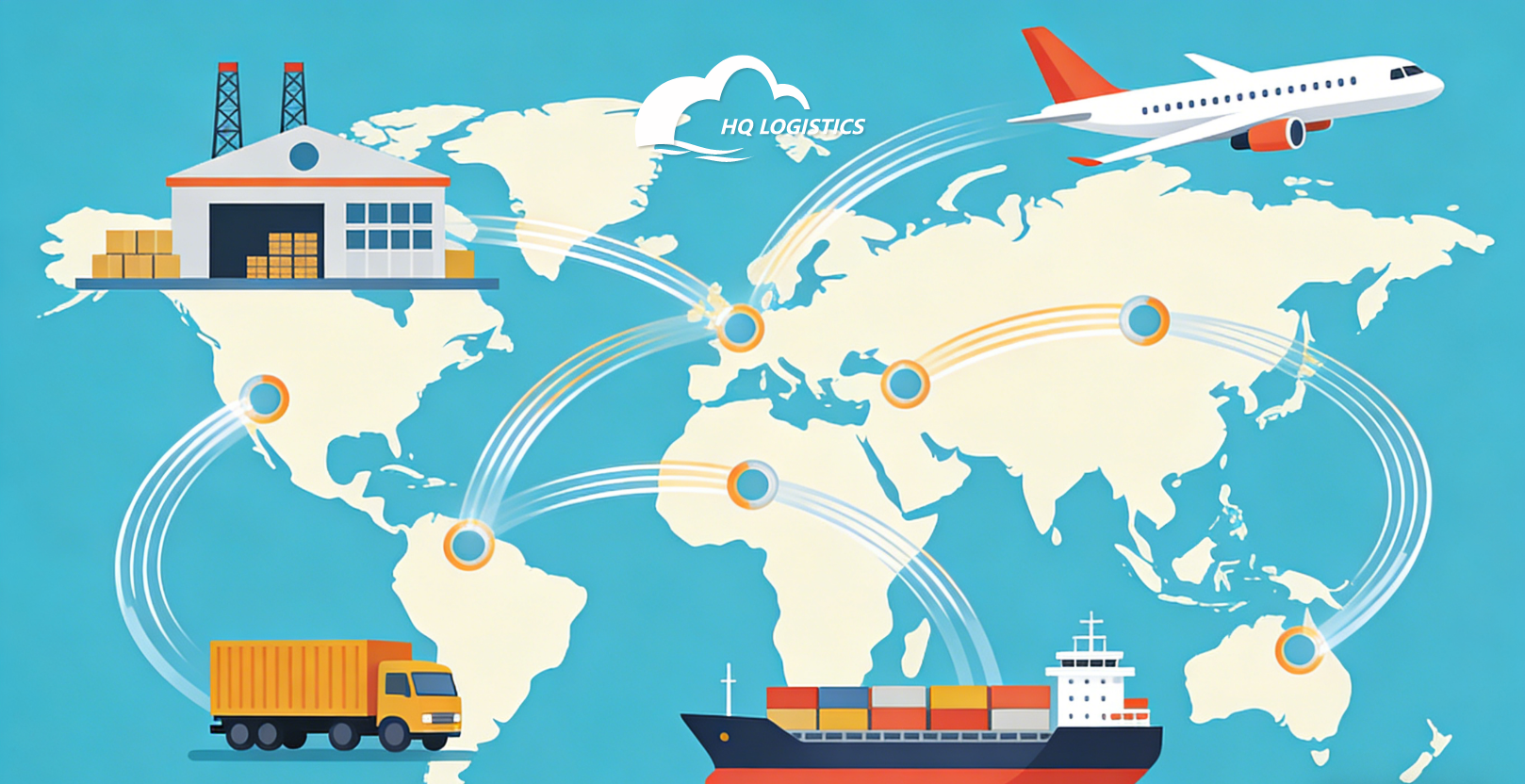
Choose Warehouse Fulfillment if:
You process large, stable order volumes | You want maximum operational control | You have capital to invest long-term | Most orders ship domestically
Choose 3PL Fulfillment if:
You are scaling rapidly | Order volume fluctuates | You sell internationally | You want to focus on marketing and product development
In 2026, many brands adopt a hybrid approach: Core domestic fulfillment handled in-house | International or overflow orders managed by a 3PL
This strategy balances control and flexibility.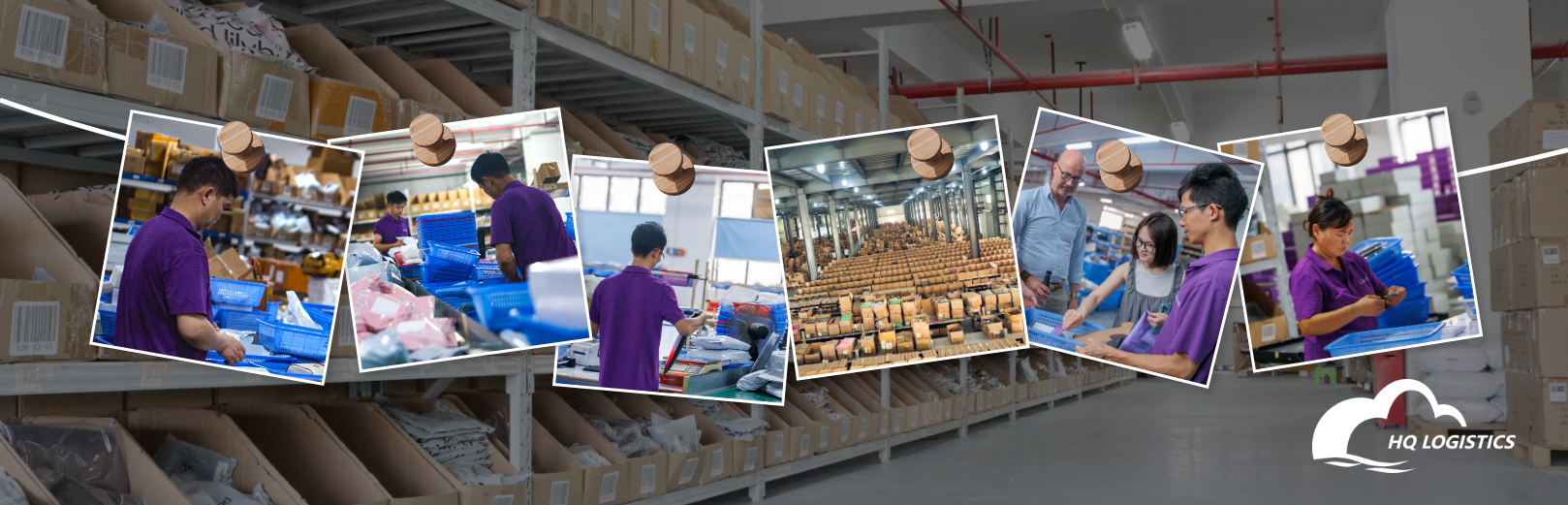
FAQ: Warehouse Fulfillment vs 3PL
1. Is 3PL cheaper than in-house fulfillment?
For small and growing brands, usually yes. You avoid fixed costs like rent and staff, and pay per order instead.
2. When should I move to my own warehouse?
When you have stable, high daily order volume and enough capital to manage space, labor, and systems.
3. Can I use both models?
Yes. Many brands use in-house for domestic orders and a 3PL for international or peak season support.
4. Will a 3PL affect my customer experience?
Not if you choose the right partner. A good 3PL offers fast shipping, tracking, and custom packaging options.
Warehouse fulfillment gives control.
3PL fulfillment gives flexibility.
The right choice depends on: Growth stage | Cash flow | International strategy | Risk tolerance
In today's competitive ecommerce environment, logistics is no longer just backend support — it directly impacts customer experience and profitability.
Before deciding, calculate not only cost per order, but also opportunity cost, scalability, and operational risk.
The smartest fulfillment strategy is the one that supports your next stage of growth.
📩 Email: zoye@fulfillment-cn.com
Previous Recommendations





Don't wait until next year, grab the chance on 2025. Here are some recommended ecommerce topic you can choose.
Thanks to the support and trust from our customers. Flashback with our beloved partners.